
Why the Japanese Eat Ramen and Drink Beer… but Stay Slim
Japan didn’t engineer fitness — it engineered balance
The Late-Night Paradox
Japan should be the unhealthiest fit nation on Earth. Walk through Tokyo at midnight and you’ll see office workers shoulder-to-shoulder in ramen shops, students laughing over tall glasses of beer, and vending machines humming on every corner. Calories are everywhere — yet obesity is nearly nonexistent.
In the U.S., we turned “treats” into daily meals and movement into an inconvenience. In Japan, indulgence is woven into a rhythm of restraint. The secret isn’t what they eat — it’s how their culture moves, thinks, and designs life around balance.
What Japan Gets Right About Food
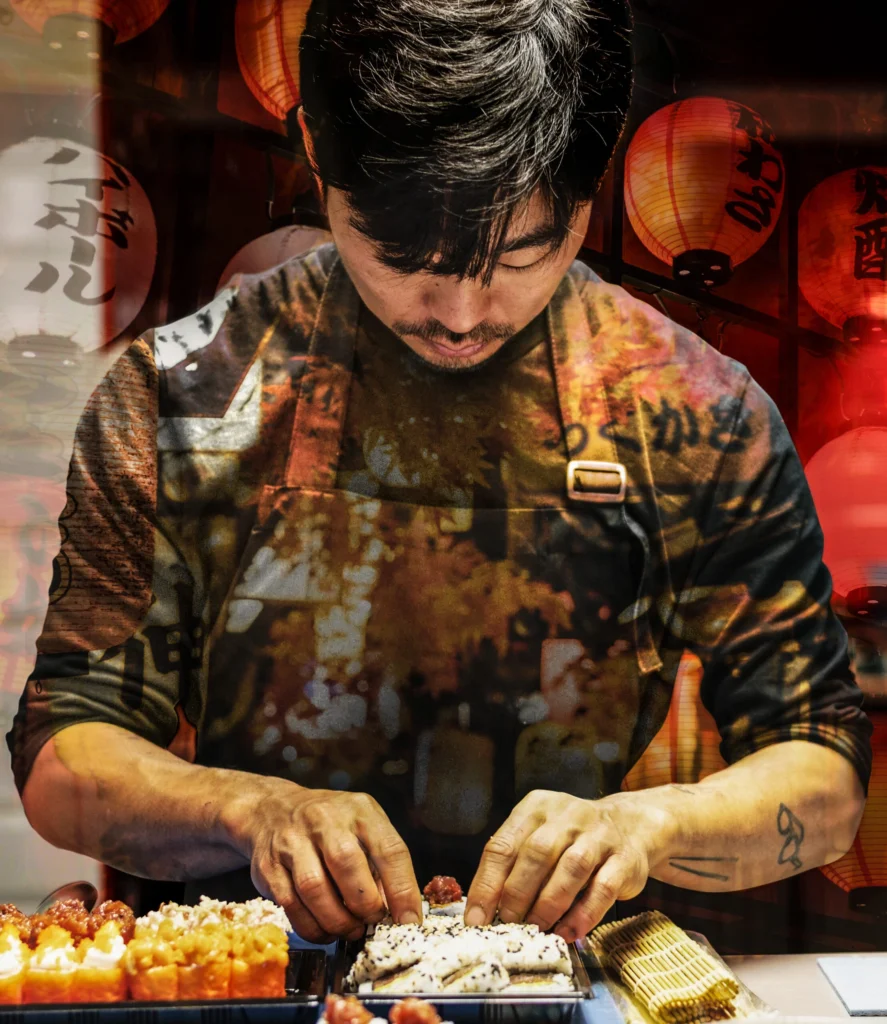
Every part of the Japanese eating experience is engineered for mindful satisfaction instead of mindless consumption.
When you eat slower, your brain catches up to your stomach. When food tastes real, you need less of it. Japan’s system quietly rewards restraint — not through discipline, but through design.
The Hidden System Behind Their Balance
Every part of the Japanese eating experience is engineered for mindful satisfaction instead of mindless consumption.
Walkability — trains, stairs, and compact neighborhoods mean movement is constant.
Routine — from bowing to commuting, there’s structure that keeps the nervous system regulated.
Social accountability — overeating or being visibly out of control feels culturally discordant.
These small, frictionless systems create what I call the effortless calorie economy — a world where daily motion and portion control are built into the environment instead of forced through apps and diets.
The average Tokyo resident walks nearly 7,000–8,000 steps per day — more than double the American average.
Why the West Got It Wrong
In the West, we chased convenience until it consumed us. We engineered comfort — cars, screens, deliveries — and stripped movement out of life. We made food cheap, fast, and hyper-palatable, then blamed “discipline” for what design destroyed.
The result? The average American walks less than a mile a day and eats nearly twice the calories of a typical Tokyo resident. We turned eating into a race, meals into multitasking, and fullness into the goal instead of satisfaction.

My Personal Observation: Two Months in Tokyo
I spend about two months every year in Tokyo, advising international clients. For nine straight years, I’ve kept the same pattern: I eat what I want — ramen, beer, yakitori, even midnight snacks.
And every year, I lose five to seven pounds — without trying.
It’s not magic. It’s the environment. You walk everywhere. You stand more. You eat better ingredients. You move constantly without realizing it. Japan doesn’t sell “fitness.” It builds it into your day.
The Philosophical Close
You don’t need sushi breakfasts or bullet trains to look like a local. But you can import Japan’s hidden code into your own life:
Your body responds to environments faster than it does to diets. Create a world that makes health automatic.
The Philosophical Close
Japan didn’t engineer fitness — it engineered balance. The body just followed.
Health isn’t a punishment for pleasure. It’s the rhythm between the two. And maybe that’s the real secret hidden in a late-night bowl of ramen.
When you live in harmony with your environment, health stops being a goal — it becomes the byproduct.
Why the Japanese Eat Ramen and Drink Beer… but Stay Slim It’s not magic — it’s metabolism, mindset, and micro-habits working in harmony.
Follow @AdvancePages on Instagram to uncover the science (and strategy) behind effortless health.
About the Author
K.B. Mac is an international acquisitions consultant based in Manhattan and Tokyo. A graduate of NYU’s Master of Science in Real Estate Development, he has led strategic operations managing multi‑billion‑dollar projects and teams across continents. Through AdvancePages, he shares systems of thought, leverage, and design for those who want to build scalable lives and intelligent freedom.